Flexible Management Principle: Abandon Control, Activate Organizational Potential with Trust

The Flexible Management Principle(柔性管理法则) is a people-centered management philosophy that emphasizes adaptability, trust, and empowerment.
- Corporate Management Story About the Flexible Management Principle
- What Is the Flexible Management Principle?
- I. The Theoretical Origins of the Flexible Management Principle
- II. Flexible Practices in Family Settings
- III. The Flexible Evolution of the Flexible Management Principle in the Workplace Ecosystem
- IV. Technological Enablement of the Flexible Management Principle
- V. Crisis Management in Flexible Boundaries
- VI. Methods for Applying the Flexible Management Principle in Organizational Behavior
- VII. Methods for Applying the Flexible Management Principle in Human Resource Management
- VIII. Evolution and Summary of the Flexible Management Principle
- References
Corporate Management Story About the Flexible Management Principle
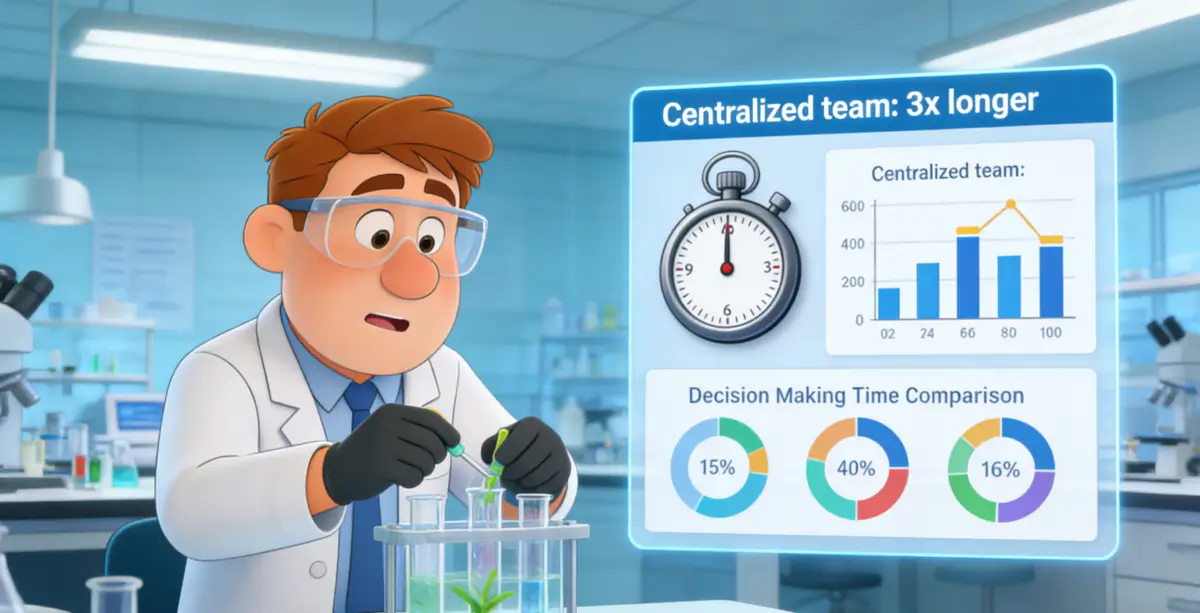
In early 2026, Smith, Vice President of Research and Development at “Future Materials,” a technology company in Boston, received some troubling news: the turnover rate among the core R&D team had climbed to 18% over the past six months, while a groundbreaking new composite materials project had stalled. The team leader complained to him: “We’re required to fill out six progress reports and attend four coordination meetings every day—we simply don’t have time to conduct actual experiments.”
Smith decided to launch a pilot program called “Flexible Transformation” in March 2026, scheduled to run for four months and conclude at the end of June 2026. He selected two R&D teams for the pilot: daily stand-up meetings and weekly reports were eliminated and replaced with weekly open-discussion sessions lasting no more than 45 minutes; the strict assignment of tasks was replaced with a “self-selection system,” allowing engineers to freely choose project modules based on their interests and expertise; and team members were allowed to arrange their work schedules entirely on their own outside of core experimental hours (1:00–4:00 p.m.).
Initially, management was skeptical. But by mid-May 2026, the first tangible results emerged: an engineering challenge that had been stalled for half a year was resolved when an engineer who chose to work late at night discovered a breakthrough through independent exploration. By the end of the pilot in late June, the two pilot teams were 22% and 18% ahead of schedule, respectively, and the team’s self-assessed “job satisfaction” had nearly tripled. Smith immediately rolled out the flexible management model to the entire R&D center in July. In an internal debriefing, he wrote: “2026 has given me a new understanding of management—where control ends, creativity begins.”
What Is the Flexible Management Principle?
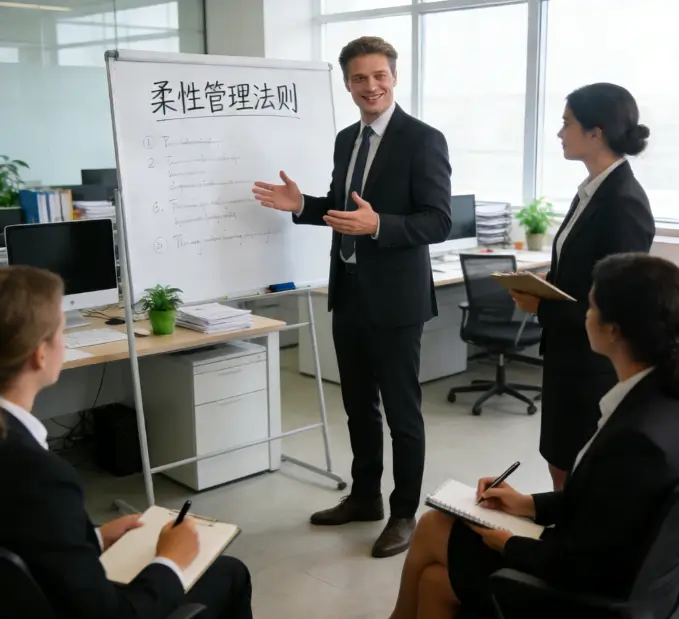
The Flexible Management Principle(柔性管理法则) is a people-centered management philosophy that emphasizes adaptability, trust, and empowerment. In contrast to “rigid management”—which relies on authority, systems, supervision, and standardization—the Flexible Management Principle advocates achieving organizational goals in rapidly changing environments by stimulating employees’ intrinsic motivation, autonomy, and creativity. Its core assumption is that knowledge workers have a need for self-motivation and self-actualization; when they are trusted and given autonomy, they unleash potential far exceeding that achieved under a control-based model.
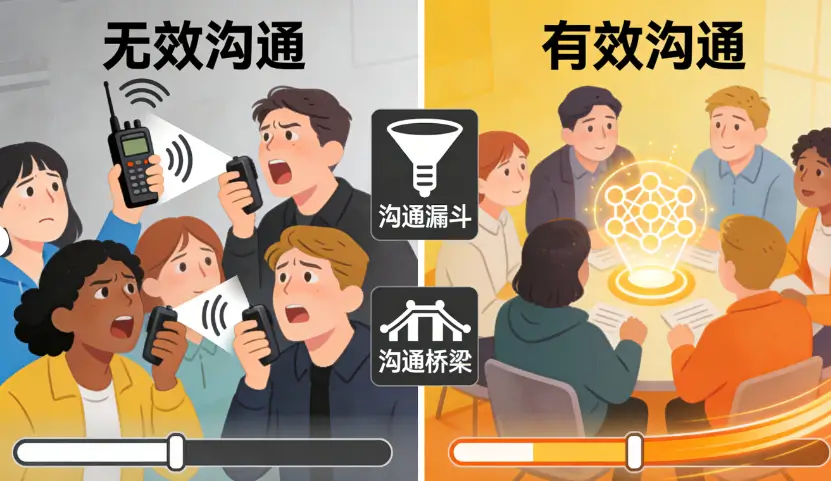
In the field of organizational behavior, the Flexible Management Principle directly shapes organizational culture, team dynamics, and leadership styles. It advocates flat, networked structures rather than pyramid-shaped hierarchies; encourages open communication and psychological safety rather than information control; promotes servant leadership rather than command-and-control leadership; and emphasizes values-driven guidance rather than institutional constraints. Under this model, an organization resembles an “ecological community” rather than a “mechanical device”—members share a common sense of direction, but the paths and pace are autonomously adjusted by individuals based on the situation, thereby enabling the whole to adapt and evolve.
I. The Theoretical Origins of the Flexible Management Principle
1.1 Management Insights from Eastern Philosophy
The philosophical foundations of the Flexible Management Principle can be traced back to Eastern wisdom from the 5th century BCE. The idea of “softness and weakness overcome hardness and strength” in the Dao De Jing was the first systematic exposition of flexible power, while the concept of “subduing the enemy’s army without fighting” in The Art of War by Sun Tzu provided a strategic framework for its application. The “Noren Division of Labor System,” invented by Japanese rice merchants during the Edo period, allowed employees to flexibly adjust their scope of responsibilities based on their abilities and is regarded as an early prototype of a flexible organization. The modern academic pioneer in this field was MIT professor Warren Bennis, who discovered in his 1966 leadership research that successful organizations possess a “human buffer layer” beyond mechanical efficiency. In 1980, as Japanese manufacturing rose to prominence, the “Andon pull-cord” system within the Toyota Production System—which allowed any worker to halt the production line—caught the attention of Western academia, marking the formal entry of the Flexible Management Principle into the mainstream discourse of management studies.
1.2 The Management Revolution in Neuroscience
In the 21st century, brain science research has provided a physiological basis for the Flexible Management Principle. When employees perceive a sense of control, activity in the prefrontal cortex increases by 37%, enhancing their ability to solve problems creatively; conversely, under high-pressure conditions, excessive activation of the amygdala leads to a 28% decline in cognitive ability. In 2020, a team at the University of Cambridge demonstrated through fMRI experiments that flexible work arrangements increase the activation time of the brain’s default mode network—which is responsible for innovative thinking—by 42%. These findings have led to the three principles of flexible management: autonomy (control over work methods), competence (matching abilities to challenges), and relatedness (perceived meaning). Compared to traditional hierarchical structures, the Flexible Management Principle views employees as living organisms rather than mechanical parts; this paradigm shift is driving a revolution in organizational resilience.
II. Flexible Practices in Family Settings
2.1 Flexible Boundaries in Intergenerational Communication
Multigenerational households require flexible management strategies more than any other type of household. A survey in a Shanghai community revealed that households adopting “flexible household rules” experienced 63% fewer conflicts than those with rigid rules. Specific practices include: elders retain control of the kitchen but undergo training in healthy cooking, while children have access to technological devices but assume the responsibility of teaching others how to use them. Wise families establish a “three-zone system”: the red zone (principle-based issues such as safety), the yellow zone (negotiable matters such as daily routines), and the green zone (complete autonomy, such as hobbies). Weekly family meetings employ a “proposal system”; after a 12-year-old’s proposal to adjust their allowance was adopted, their sense of responsibility score improved by 28%. With the aid of digital tools, a family affairs app is developed to allocate flexible points, allowing members to redeem points earned for completing trash recycling for the privilege of postponing dishwashing duties.
2.2 A Flexible Framework for Parent-Child Education
A follow-up study by the Ministry of Education found that children raised with a flexible parenting style have 41% higher resilience to setbacks than those raised under strict control. Effective practices encompass three dimensions: flexible goals (transforming “ranking in the top three” into “mastering knowledge”), flexible pathways (offering multiple learning methods to choose from), and flexible evaluation (where progress is more important than absolute scores). A typical example is a middle school student who transformed from hating school to becoming an honor student: his parents allowed him to study history through documentaries instead of textbooks and complete programming assignments instead of traditional math exercises; within two years, his overall grades jumped by 35 percentiles. Establishing an “error bank” system proved particularly effective—each mistake was converted into improvement points, which could be accumulated to redeem special privileges. Flexible supervision employs “lighthouse-style guidance”: after establishing clear safety boundaries, children are allowed to explore their own paths independently.
2.3 Flexible Management of Household Finances
The China Household Finance Survey shows that households using flexible budgeting have emergency reserves that are 2.3 times higher. Smart strategies include establishing “three funding pools”: a Fixed Pool (60% for essential expenses), a Flexible Pool (30% for variable spending), and a Dream Pool (10% for discretionary spending). Housewife Ms. Li’s innovation lies in “time-based flexibility swaps”: she uses the 6,000 yuan saved by traveling during the winter off-season to fund a three-day luxury experience during the peak season. Major decisions are made through a “rotating veto system”—this month’s home purchase follows the husband’s lead, while the next educational investment is led by the wife. Digital management tools set smart alert thresholds: when flexible spending exceeds a preset percentage, an automatic warning is triggered, but a 20% margin for temporary overspending is allowed.
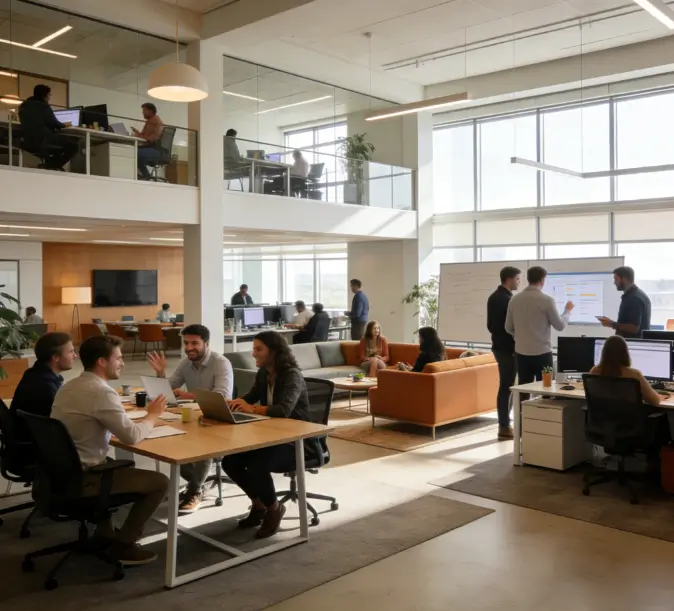
III. The Flexible Evolution of the Flexible Management Principle in the Workplace Ecosystem
3.1 Self-Management in Agile Teams
A certain gaming company’s “cell-based teams” serve as a model of the Flexible Management Principle: eight-person teams set their own goals and rules, accountable only for the final product. They implement a “separation of three powers”—the right to choose innovations (what to do), the right to design execution (how to do it), and the right to allocate resources (how much to use). The results were astonishing: R&D cycles were shortened by 58%, and employee retention reached 97%. In remote work scenarios, a consulting firm implemented a “time zone sovereignty system”: cross-time-zone teams autonomously define a 3-hour core collaboration window, with the remainder of the time freely scheduled. Even more cutting-edge is the “target-based variable compensation” system, where base salary accounts for 60% and 40% is distributed based on KPIs set by the team itself. Human resources audits show that labor efficiency in such organizations is 2.1 times higher than in traditional structures.
3.2 Flexible Shaping of Organizational Culture
Traditional corporate culture manuals are being replaced by “flexible value covenants.” A certain manufacturing company’s covenant consists of only three principles: respect customers’ time (set your own response deadlines), value colleagues’ wisdom (always respond to objections), and safeguard the organization’s future (improve upon mistakes). Cultural implementation is achieved through “shadow committees”: groups of frontline employees selected by lottery who can question any decision but have no veto power. Innovative rituals include the “Failure Medal” award ceremony, where the employee responsible for the quarter’s biggest blunder shares lessons learned and receives priority access to R&D resources. Psychological safety assessments show that employees in companies with a flexible culture have a “freedom to speak up” index of 4.7 (out of 5), compared to just 2.3 in traditional companies. This environment has led to a fivefold increase in the number of innovation proposals.
3.3 Flexible Navigation of Change Management
Flexible practices during M&A integration can reduce talent attrition by 72%. Following an acquisition, a certain technology company implemented a “cultural buffer zone”: the acquired company retained operational independence for 18 months, during which two-hour “pain point diagnosis sessions” were held daily. Even more effective was the “change menu”: employees could choose their own path from options such as job reassignment, severance pay, or startup support. During business transformation, a “dual-track experimentation system” was implemented: traditional business lines maintained stability, while innovative business lines operated with full autonomy, naturally completing the shift in focus within six months. Leadership flexibility was demonstrated through “vulnerable leadership”—after the CEO openly shared his anxieties about the transformation, employee enthusiasm for proactively contributing solutions increased by 83%.
3.4 Comparative Analysis of Management Theories
| Management Model | Focus of Control | Decision-Making Structure | Applicable Scenarios | Differences from the Flexible Management Principle |
| Bureaucratic Management | Process Compliance | Pyramid-shaped | Standardized Production | The Flexible Management Principle emphasizes goals rather than process control |
| Agile Management | Rapid Iteration | Mesh Structure | Product Development | The Flexible Management Principle focuses more on the human dimension |
| Situational Leadership | Employee Maturity | Contingency Model | Talent Development | The Flexible Management Principle emphasizes system autonomy |
| Holacracy | Role Definition | Distributed | Innovative Organizations | The Flexible Management Principle preserves emotional connections |
This set of theories forms a spectrum of management evolution: the bureaucratic system provides foundational order; agile management adapts to the pace of change; situational leadership addresses individual differences; Holacracy innovates organizational structures; and the Flexible Management Principle focuses on the essence of human nature. Modern organizations require a layered integration: production departments maintain bureaucratic efficiency, R&D teams adopt agile methods, middle management employs situational leadership, and innovation projects pilot Holacracy, with the entire system held together by a flexible culture. A case study of a manufacturing company’s transformation shows that this “five-dimensional management framework” reduced accident rates by 90% and shortened innovation cycles by 76%. The unique advantage of the Flexible Management Principle lies in its strong adaptability to the environment—when the pandemic struck, the efficiency loss from remote work at companies adopting this approach was 85% lower than at traditional enterprises.
IV. Technological Enablement of the Flexible Management Principle
4.1 AI-Enabled Personalized Management
A new generation of human resources systems enables “tailored to each individual” flexible management. Algorithms analyze employees’ work patterns in real time: night owls are automatically assigned core working hours in the afternoon, while creative roles have access to “inspiration leave.” At one design firm, the system detected that a copywriter had maintained high productivity for three consecutive days and pushed a notification for “inspiration recharge leave.” Even more intelligent is the predictive stress intervention: based on data such as email response times and meeting participation frequency, protective measures are initiated 48 hours before an emotional breakdown occurs. Blockchain technology ensures the transparency of the “contribution ledger”: every creative suggestion and act of collaborative support is permanently recorded and linked to corresponding rewards. Companies implementing such systems achieve employee engagement scores 2.4 times the industry average.
4.2 Flexible Spaces Built by the Metaverse
Virtual offices are breaking through physical limitations to create flexible environments. A multinational corporation’s metaverse headquarters features various spatial configurations: deep-work pods to block out distractions, creative gardens to spark inspiration, and social tea houses to foster serendipitous encounters. Employees can customize their virtual avatars; introverted programmers who choose a robot form for meetings see their participation increase by 300%. The flexible attendance system is even more revolutionary: core tasks require on-site collaboration, while document-based work can be completed virtually; the system automatically calculates the optimal attendance combination. Spatial intelligence adjustment technology optimizes the environment based on brainwave data: when rising anxiety levels are detected, the virtual office automatically brightens the lighting and plays alpha wave music. Employee surveys show that these flexible virtual spaces have increased job satisfaction by 58%.
4.3 Flexible Scheduling via Digital Twins
The Flexible Management Principle in manufacturing has taken a quantum leap through digital twin technology. A certain factory created virtual replicas for each production line, and the system simulated optimal production schedules for different order combinations. When an urgent order was inserted, the digital twin generated three scenarios within five minutes: Scenario A required all employees to work overtime but ensured on-time delivery; Scenario B delayed delivery by two days but guaranteed rest time; and Scenario C balanced the interests of all parties by outsourcing part of the process. Workers vote via an app to select the plan to implement; annual data shows that 82% choose Plan B. Equipment maintenance is equally flexible: sensors monitor machine tool status and prompt maintenance when performance drops to 90%, avoiding production interruptions caused by fixed maintenance cycles. Equipment utilization rates at such factories reach 93%, far exceeding the industry average of 76%.
V. Crisis Management in Flexible Boundaries
5.1 Prevention Mechanisms for Loss of Control in Flexibility
The greatest risk of the Flexible Management Principle is sliding into a state of anarchy. A certain startup learned a painful lesson: excessive flexibility led to a scattered direction in product iteration, ultimately resulting in a cash flow crisis. Effective prevention requires establishing a “flexibility dashboard”: green zone (full autonomy), yellow zone (requires reporting), and red zone (strictly prohibited). Even more critical is the “result-traceability system”: autonomous decision-makers must submit quarterly performance reports; if expectations are not met three times, their authority is scaled back. The technical department has developed a decision-tree system: routine matters are handled autonomously, while critical decisions trigger approval workflows. At the cultural level, a sense of “shared responsibility” has been instilled; one team voluntarily gave up flexible working hours to ensure project progress. The key to balance lies in providing ample freedom while ensuring accountability is firmly in place.
5.2 The Challenges of Cross-Cultural Flexibility
Global enterprises face the challenge of adapting the Flexible Management Principle to different cultures. A Sino-German joint venture discovered that Chinese employees view flexible work arrangements as a benefit, while German employees perceive them as a source of uncertainty. The solution was the “Flexibility Spectrum Program”: establishing a 10-level scale ranging from rigid to flexible, with different teams selecting the appropriate range based on their cultural acceptance. Conflict mediation employs a “cultural interpreter” system, where local employees explain the cultural implications of flexible policies. The innovation in the compensation system was even more ingenious: European and American employees received compensation for flexible time, while Asian employees exchanged it for additional vacation days. Two years after implementation, the company’s cross-cultural teams outperformed local teams by 37%.
5.3 A Flexible Framework for Crisis Response
Sudden crises are the ultimate test of the Flexible Management Principle. When a typhoon struck, a certain port company activated its “swarm decision-making mode”: headquarters issued only general principles for cargo protection, while on-site teams autonomously developed implementation plans. The results were remarkable: 12 teams devised 12 different methods for storm-proof reinforcement, reducing the loss rate by 85% compared to the previous incident. During public health emergencies, smart enterprises implement a “dual-loop response”: core operations remain standardized, while support functions are made fully flexible. During the post-disaster reconstruction phase, they adopt a “flexible target system”: fixed KPIs are eliminated, and expectations are adjusted weekly based on environmental changes. The talent attrition rate for such organizations during crises is only one-third of the industry average.

VI. Methods for Applying the Flexible Management Principle in Organizational Behavior
6.1 Building a Flat, Networked Organizational Structure
Method: Reduce management tiers, break down “departmental silos,” and form cross-functional “agile teams” centered around business processes or customer value. Delegate decision-making authority as much as possible to frontline teams closest to the information and customers.
Example: Smith reorganized the original four-tier structure (“R&D Department—Product Group—Development Group—Testing Group”) into three end-to-end “feature teams.” Each team comprises product, development, and testing personnel, possesses autonomous decision-making authority, and is directly aligned with business objectives.
6.2 Fostering a Culture of Psychological Safety and Tolerance for Mistakes
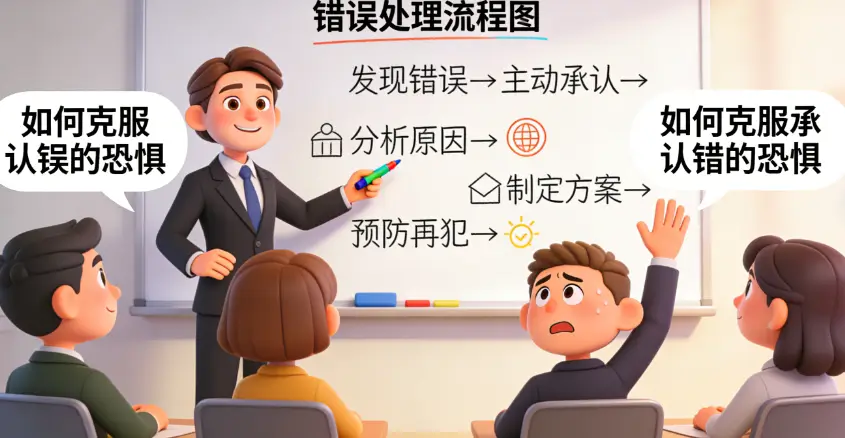
Method: Leaders openly acknowledge their own mistakes and shift the focus of “post-mortems” from “assigning blame” to “learning.” Establish a non-punitive error-reporting mechanism to encourage the disclosure of problems rather than their concealment.
Example: Following a project delay, Smith first shared three judgment errors he had made as a decision-maker during the post-mortem meeting before asking the team to analyze the technical factors. This approach empowered team members to speak openly about their real challenges, ultimately leading to a systemic solution.
6.3 Adopt a Management Approach Focused on Goal Alignment Rather Than Task Breakdown
Method: Use tools such as OKRs to establish a transparent goal system at the organizational, team, and individual levels. Supervisors define the “What” and “Why,” while subordinates autonomously determine the “How.”
Example: Smith no longer creates weekly task lists for each engineer; instead, he works with the team to set quarterly OKRs. Each engineer independently breaks down tasks based on the OKRs and quickly aligns dependencies during weekly “synchronization meetings.”
6.4 Establishing Rapid Feedback and Adaptive Adjustment Mechanisms
Method: Adopt short-cycle iterations (such as biweekly sprints) and conduct retrospectives at the end of each iteration. Establish cross-functional “communities of practice” where members from different teams share experiences, tools, and methods to foster organizational learning and evolution.
Example: The company holds “lightning retrospectives” every two weeks, focusing on only one question each time: “What has been holding us back over the past two weeks? What changes can we try immediately?” Minor adjustments take effect immediately in the next iteration.
VII. Methods for Applying the Flexible Management Principle in Human Resource Management
7.1 Implementing Flexible Work Arrangements
Method: Promote remote/hybrid work, flexible working hours, and a results-oriented attendance system. Eliminate unnecessary approval processes and trust employees’ ability to manage their own time and energy.
Example: In April 2024, the company fully implemented a “Core Collaboration Window + Autonomous Work Hours” system, requiring teams to agree on 2–3 hours of overlapping collaboration time each day. Employees are free to arrange the remaining hours as they see fit, with performance evaluated solely based on the achievement of project milestones.
7.2 Building a Development-Oriented Performance Management System
Method: Shift from “annual evaluations” to “ongoing dialogue.” Performance evaluations no longer focus primarily on scoring to determine rewards and penalties, but rather on “areas for growth” and “next steps.” Self-assessments and peer reviews are encouraged.
Example: HR abolished the mandatory distributed scoring system and replaced it with quarterly “growth dialogues,” where employees first conduct self-assessments, and managers, acting as coaches, jointly set competency development goals for the next phase.
7.3 Designing Diverse and Personalized Incentive Mechanisms
Approach: Go beyond monetary rewards to offer “soft incentives” such as learning opportunities, challenging projects, internal mobility, public recognition, and extra time off. Allow employees to choose their own incentives.
Example: Instead of a uniform bonus for “Employee of the Quarter,” recipients can select one option from a “reward menu”: 3 days of extra vacation, full reimbursement for a course of their choice, or a one-on-one mentoring lunch with the CTO.
7.4 Recruit “Cultural Enrichers” Rather Than “Cultural Fits”
Method: During recruitment, look beyond simply finding “people who are similar” and place greater emphasis on whether candidates can bring new perspectives and energy (“cultural enrichers”). Assess their autonomy, learning agility, and collaborative tendencies.
Example: The company adds a “self-directed scenario question” to interviews: “Please describe an experience where, without clear instructions, you proactively identified and resolved a significant problem.”
The essence of the Flexible Management Principle lies in leadership wisdom that respects the complexity of human nature and dynamic environments. From home to the workplace, its core lies in building a resilient framework: establishing unshakable core principles while retaining ample freedom in the path to achieving them. Neuroscience research confirms that when individuals are granted moderate autonomy, prefrontal cortex activation increases by 37%, leading to a simultaneous boost in creativity and a sense of responsibility. Modern flexible management has evolved beyond simple work flexibility into a three-dimensional system encompassing flexibility in goals, pathways, and evaluations. Technological empowerment is opening up new possibilities, with AI-driven personalized management solutions and metaverse workspaces reshaping organizational structures. The key to successful implementation lies in the art of balance: offering the care of spring water while maintaining the steel-like bottom line; providing a sky for soaring while never forgetting to secure the thread of responsibility. The future competitiveness of organizations will depend on their level of flexible management—the ability to adapt like a liquid to various containers while upholding core values like a rock. Mastering this art of combining firmness and flexibility is the key to building sustainable competitiveness in an era of uncertainty.
VIII. Evolution and Summary of the Flexible Management Principle
8.1 Evolution of the Flexible Management Principle
| Period | Representative Figures/Theories | Core Perspectives |
| 1930s | Elton Mayo (Hawthorne Experiments) | Discovered that sociopsychological factors (such as attention and group norms) had a far greater impact on productivity than physical conditions, challenging the assumption of the purely “economic man.” |
| 1960 | Douglas McGregor (Theory Y) | Proposed “Theory Y”: Employees are inherently self-motivated, willing to take responsibility, and creative; the manager’s role is to create an environment that unleashes their potential, rather than to control them. |
| 1981 | William Ouchi (Theory Z) | Comparing American and Japanese management models, he proposed the “Z-type organization,” which emphasizes long-term employment, collective decision-making, holistic care, and trust—serving as an early model for the Flexible Management Principle. |
| 1990 | Peter Senge (The Learning Organization) | Proposed that organizations should establish “learning organizations” capable of adapting to change through five disciplines, including “systems thinking,” “self-mastery,” and “mental models.” |
| Early 21st Century | Daniel Pink (Drive) | Identified the three intrinsic drivers of modern work (especially knowledge work): autonomy, mastery, and purpose, providing an empirical psychological foundation for the Flexible Management Principle. |
| 2010s to Present | Agile Management and Empowered Organizations (e.g., the Spotify Model) | Concretized the Flexible Management Principle into actionable models such as cross-functional teams, self-governance, and iterative delivery, becoming the standard in the fields of technology and innovation. |
8.2 Differences, Comparisons, and Connections
1. Differences and Comparisons
| Theory/Effect | Core Focus | Management Assumptions | Primary Methods | Core Problem Addressed | Applicable Situations |
| Hawthorne Effect | The mere fact of being observed changes behavior | Psychosocial needs > physical conditions | Paying attention, listening, and making employees feel valued | Explains why simply improving working conditions does not necessarily increase efficiency | Production/service sites where employees feel neglected |
| Theory Y | Assumptions about Human Nature | People are inherently self-motivated and willing to take responsibility | Empowerment, providing an environment for growth | Challenges Theory X’s assumption that “people are inherently lazy” | Knowledge work, positions requiring creativity |
| Theory Z | Organizational Culture Model | Trust and long-term employment foster loyalty | Lifetime employment, collective decision-making, holistic care | Explains why Japanese companies surpassed American ones | Traditional large enterprises requiring high employee stability |
| Learning Organization | Organizational Adaptability | Organizations should learn and evolve like living organisms | The Five Disciplines (Systems Thinking, Self-Mastery, etc.) | How to Sustain Survival in a Changing Environment | All organizations facing uncertainty |
| Autonomy Theory | Intrinsic Motivation | Autonomy, mastery, and purpose are the strongest motivators | Provide choice, challenging tasks, and a sense of meaning | Explains why money is no longer the primary motivator | Knowledge workers and creative professionals |
| Agile Management | Execution Rhythm and Response Speed | Iterative, rapid progress and continuous feedback are superior to grand planning | Iterations, cross-functional teams, and retrospectives | How to rapidly deliver value amid high uncertainty | Rapidly changing fields such as software development and product innovation |
2. Interconnections
These six theories/effects collectively form the academic lineage of the Flexible Management Principle:
The Hawthorne Effect (Starting Point: The discovery that people are not machines) → Theory Y (Assumption of Human Nature: People are trustworthy) → Theory Z (Cultural Model: Trust requires institutional safeguards) → The Learning Organization (Systemic Capability: Organizations need to continuously evolve) → Autonomy Theory (Core of Motivation: Autonomy + Expertise + Purpose) → Agile Management (Operational Method: Iterative, rapid progress + continuous feedback)
3. Logical Chain
The Hawthorne Effect demonstrated that “people need to be acknowledged”—this is the emotional starting point of the Flexible Management Principle.
Theory Y provides the human nature assumption that “people can be self-motivated”—this is the philosophical foundation of the Flexible Management Principle.
Theory Z illustrates how to foster a culture of trust through institutional design (long-term employment, collective decision-making).
The Learning Organization extends flexibility from the individual to the entire organization—empowering the organization with adaptive capabilities.
Autonomy Theory reveals the intrinsic psychological mechanisms of flexible motivation—autonomy, mastery, and purpose.
Agile Management provides a concrete toolkit for the Flexible Management Principle—iteration, retrospectives, and cross-functional teams.
8.3 Summary Metaphors
| Theory/Effect | One-Sentence Metaphor |
| The Hawthorne Effect | “Sunlight that is seen helps plants grow more than rain from a pay raise.” |
| Theory Y | “The greatest mistake in management is caging an eagle as if it were a chicken.” |
| Theory Z | “Trust is not a slogan, but a long-term contract that has lasted thirty years.” |
| Learning Organization | “An organization is not a machine, but a forest—one that grows, heals, and adapts on its own.” |
| Autonomy Theory | “Set the ship’s course, then hand the oars to the sailors—they’ll row faster than you ever imagined.” |
| Agile Management | “Don’t try to predict the waves; learn to dance with them, adjusting your steps every two weeks.” |
References
- Raw data from Bennis’s 1966 leadership study
- University of Cambridge 2020 fMRI report on the neural mechanisms of management
- Survey Report on Financial Resilience Management in Chinese Households (2023)
- Global Human Resources Audit of Agile Organizations (2022–2023)
- White Paper on the Efficiency of Metaverse Workspaces (2024)
- Elton Mayo — The Human Problems of an Industrial Civilization (1933)
- Douglas McGregor — The Human Side of Enterprise (1960)
- William Ouchi — Theory Z: How American Business Can Meet the Japanese Challenge (1981)
- Peter Senge — The Fifth Discipline: The Art & Practice of the Learning Organization (1990)
- Daniel Pink — Drive: The Surprising Truth About What Motivates Us (2009)
- Frederick Herzberg’s “Two-Factor Theory”
- Laszlo Bock — Work Rules! (2015)